
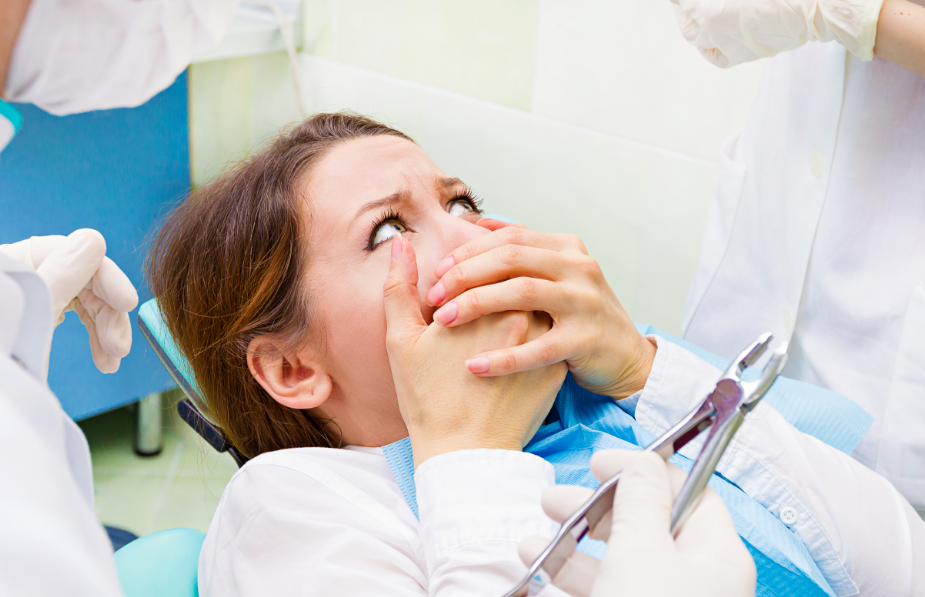
Feeling anxious about going to the dentist is incredibly common. For some people, that nervousness is mild and manageable. For others, it develops into a true dental phobia that makes scheduling or attending appointments feel overwhelming or even impossible. Understanding where these fears come from is an important step toward overcoming them and protecting long-term oral health.
Past Negative Dental Experiences
One of the most common causes of dental phobia is a previous bad experience. Painful procedures, feeling rushed, or not being listened to during an appointment can leave a lasting impression. Even experiences from childhood can shape how someone feels about dental care years later. When trust is broken or discomfort feels unexpected, the brain may associate future dental visits with fear.
Fear of Pain or Discomfort
Many people worry that dental treatments will hurt, even if modern dentistry has advanced significantly. Stories from friends, family members, or online sources can reinforce the belief that dental care is painful. This fear may persist even if someone hasn’t personally experienced severe discomfort, making anticipation worse than the appointment itself.
Loss of Control
Dental visits require patients to sit still, recline in a chair, and allow someone else to work inside their mouth. For individuals who value control or have anxiety in medical settings, this can be deeply unsettling. Not being able to speak freely or see what’s happening can intensify feelings of vulnerability and helplessness.
Sensory Triggers
The sights, sounds, and smells of a dental office can trigger anxiety for many people. The sound of dental instruments, bright lights, or even the smell of certain materials may provoke stress responses. These sensory cues can quickly bring back memories of past discomfort, making fear feel automatic and hard to control.
Embarrassment or Fear of Judgment
Some people avoid the dentist because they feel embarrassed about the condition of their teeth or worry they’ll be judged. Concerns about cavities, gum disease, or long gaps between visits can create shame, which reinforces avoidance. Unfortunately, delaying care often leads to more serious problems, deepening anxiety over time.
General Anxiety or Trauma
Dental phobias can also be linked to broader anxiety disorders or past trauma unrelated to dentistry. Individuals who experience panic attacks, post-traumatic stress, or medical anxiety may find dental visits especially challenging. In these cases, fear may not be tied to dentistry alone but to healthcare environments in general.
Dental phobias are real, valid, and more common than many people realize.
About the Practice
Advanced Smile Design of Willow Grove is dedicated to creating a calm, supportive environment for patients who experience dental anxiety or fear. Our amazing team of doctors offers gentle care and sedation options designed to help patients feel more comfortable and in control during treatment. With a compassionate, patient-first approach, we work closely with individuals to rebuild trust and make dental visits a more positive experience.
Call us at (215) 659-3334 or request an appointment online.
